
Klang Embroidered Work Shirts: Matching Thread Colours to Real Fabric
This guide is for a Klang buyer ordering embroidered chest logos for workshop and office uniforms. Small details tend to cause the largest problems after distribution, especially when the final item must be repeated for new staff or teams. It explains how to turn the buying question into a clear approval process, from the item itself to the evidence that a supplier can reasonably provide. For Selangor deliveries or collection, choose the correct receiving address and confirm arrangements at the quoted location before staff travel or allocate unloading time.
Compare thread and fabric under two lights
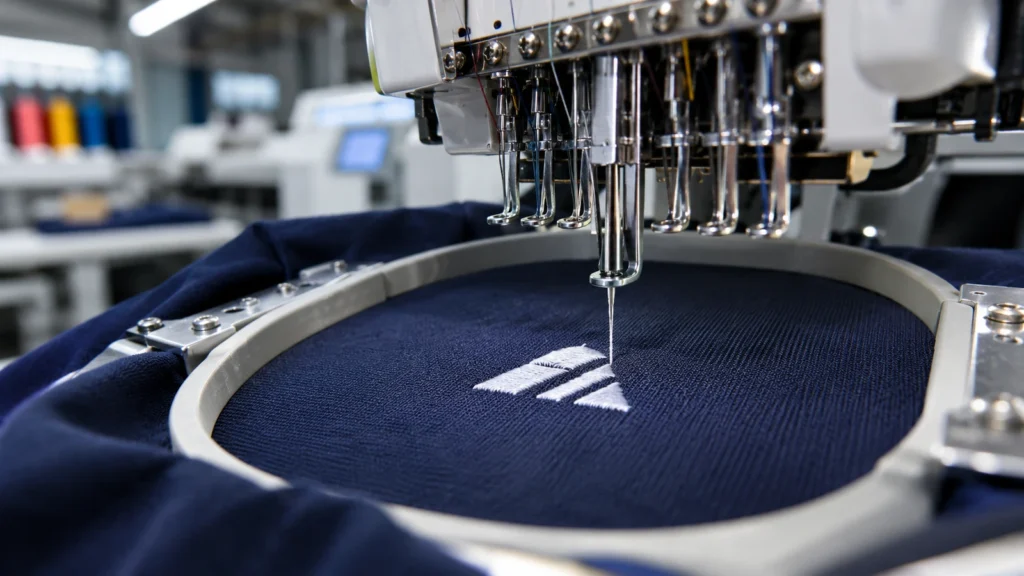
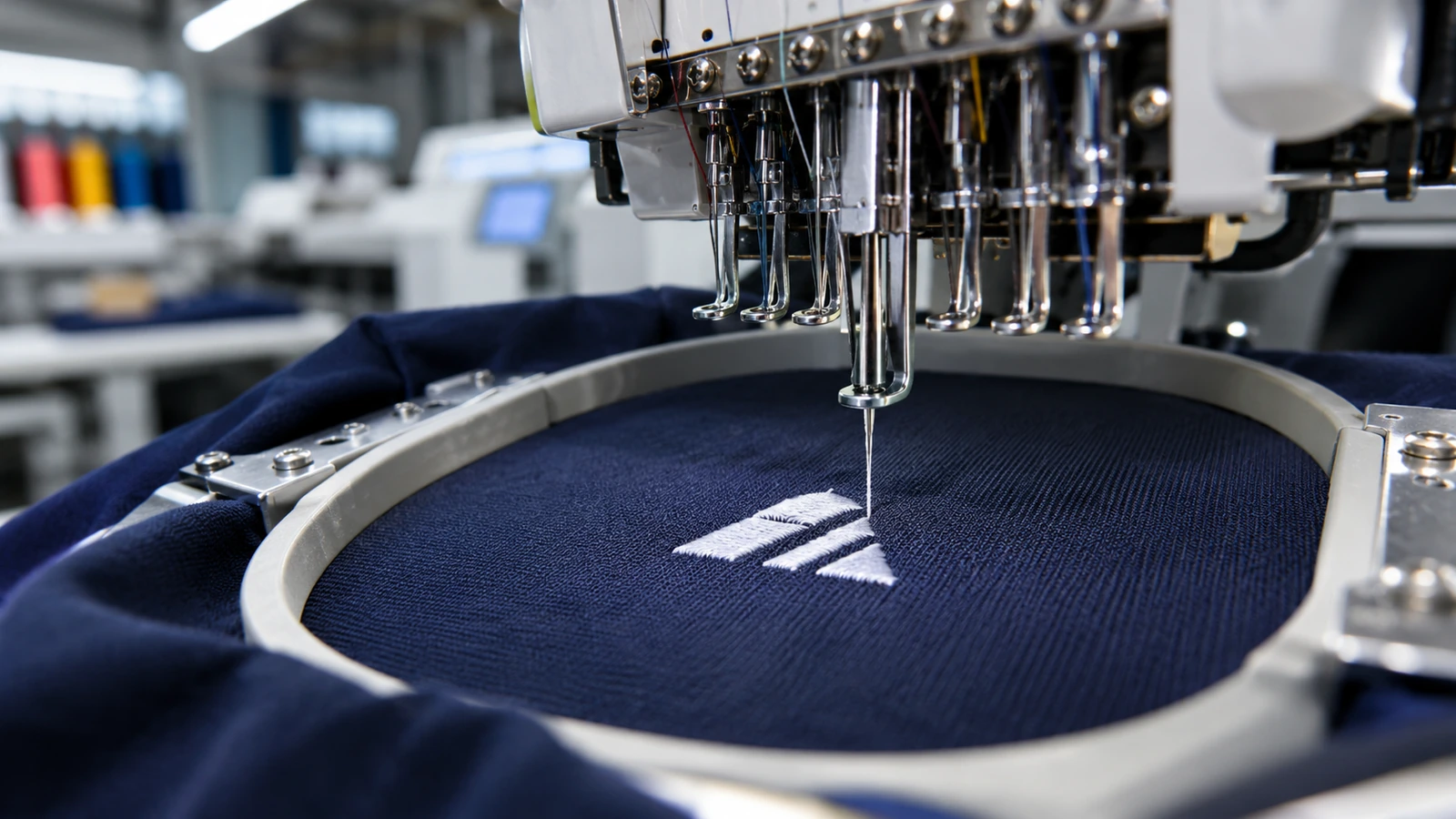
Before choosing a specification, look at the role that the item must perform. A navy thread can look almost black on dark blue fabric and lose its shape in low light. The finished logo is a structure of stitches, not a photograph. Digitisation converts artwork into an embroidery plan that must suit the scale and fabric. A practical quotation should make this choice visible, so competing suppliers are pricing the same item.
Review a physical stitch sample indoors and near daylight. Ask an independent reviewer to compare the proof against the original requirement. A phone photograph can distort subtle colours. The point of this check is to make the decision reproducible: another person should be able to read the approval and obtain the same result.
Evaluate thread thickness with the artwork
A common gap in the initial brief is evaluate thread thickness with the artwork. Dense fills and very small lettering make fine logos harder to produce on soft fabrics. Backing and hooping support the garment during stitching. Their suitability changes with knit stability, logo density and the amount of stretch. Ask for the relevant material, dimensions or artwork details rather than an unsupported assurance of quality.
Ask for digitisation review and a finished-size sew-out. The same check should be used on the actual garment or print model proposed for production. A complicated logo may need simplified small-size artwork. If the result is marginal, change the specification now rather than asking the production team to improvise during the final run.
Mark a usable chest location
A common gap in the initial brief is mark a usable chest location. Pocket seams, pleats and thick construction features can interfere with the embroidery hoop. Thread colours are physical materials viewed against a particular fabric shade. An on-screen approximation cannot prove how they will look under workplace lighting. A practical quotation should make this choice visible, so competing suppliers are pricing the same item.
Measure an area clear of structural stitching on the selected work shirt. Ask an independent reviewer to compare the proof against the original requirement. A logo can appear crooked if it straddles a bulky seam. If the result is marginal, change the specification now rather than asking the production team to improvise during the final run.
Review comfort against backing
Work shirts worn for long shifts should not have a harsh reverse patch that rubs against skin. For a Klang buyer ordering embroidered chest logos for workshop and office uniforms, this affects both the finished appearance and the way the order can be checked after delivery. A stable placement landmark such as the shoulder seam or placket can improve repeatability, but pockets and seam thickness must also be considered. Put the chosen requirement into a written brief and identify which part is non-negotiable.
To remove ambiguity, feel and wear-test the approved sample rather than judging the front only. Save the answer in the final purchase record. A beautiful front does not guarantee comfort. The point of this check is to make the decision reproducible: another person should be able to read the approval and obtain the same result.
Approval and order checklist
Before the final approval, ask one person who was not involved in the artwork preparation to follow the same checklist and locate the evidence for every item. For a Klang buyer ordering embroidered chest logos for workshop and office uniforms, the final record should identify the selected product or material, the artwork version, the exact quantity by variant, and the receiving address or responsible collector. A sample is useful only if it corresponds to the version that will be made.
- Review a physical stitch sample indoors and near daylight.
- Ask for digitisation review and a finished-size sew-out.
- Measure an area clear of structural stitching on the selected work shirt.
- Feel and wear-test the approved sample rather than judging the front only.
- Retain a labelled sample and the approval email.
For Selangor deliveries or collection, choose the correct receiving address and confirm arrangements at the quoted location before staff travel or allocate unloading time. Retain the supplier reply, signed sample images and dated item list for replacements or later batches. If a requested change affects garment sizing, decoration or packing, ask for the revised specification before approving production, rather than treating it as an informal message.
Frequently asked questions
Why can tiny text be hard to embroider?
A navy thread can look almost black on dark blue fabric and lose its shape in low light. Review a physical stitch sample indoors and near daylight. A phone photograph can distort subtle colours. Keep the final decision in the approved order so that a later team member can check it without guessing.
How is the logo position measured?
Dense fills and very small lettering make fine logos harder to produce on soft fabrics. Ask for digitisation review and a finished-size sew-out. A complicated logo may need simplified small-size artwork. Keep the final decision in the approved order so that a later team member can check it without guessing.
Should thread colours be approved on screen?
Pocket seams, pleats and thick construction features can interfere with the embroidery hoop. Measure an area clear of structural stitching on the selected work shirt. A logo can appear crooked if it straddles a bulky seam. Keep the final decision in the approved order so that a later team member can check it without guessing.